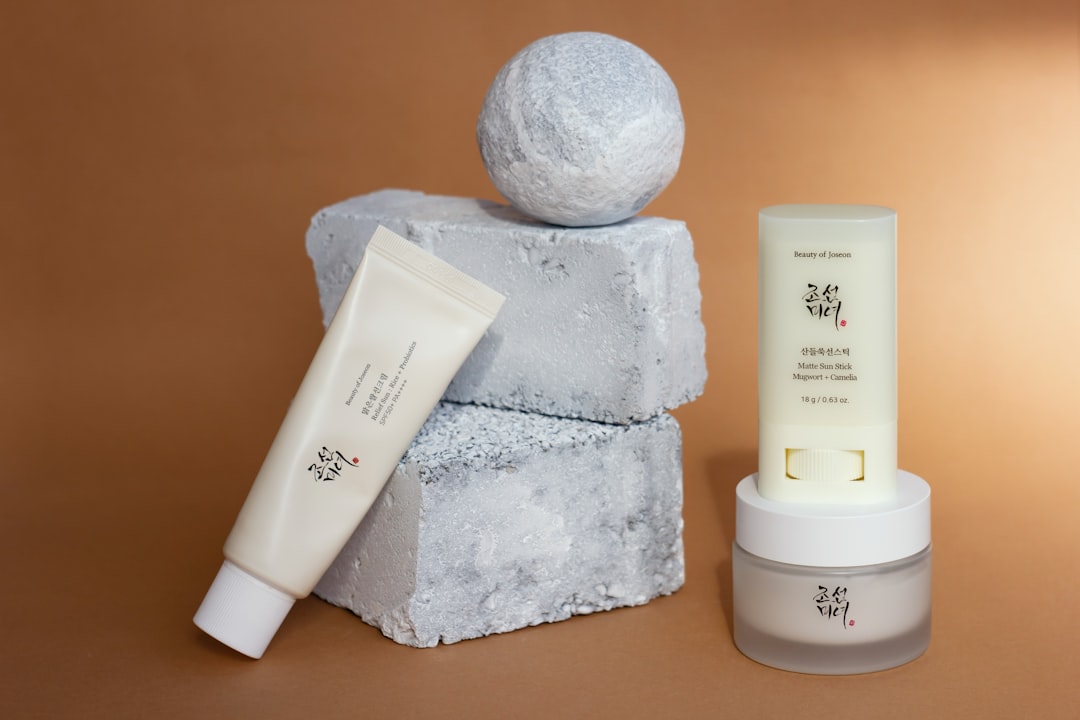
If you’ve ever skipped sunscreen because it left a white cast, felt like applying glue, or broke out your skin — that’s a Western sunscreen problem. Not a sunscreen problem.
Korean sunscreens are built differently. Not because of some secret ingredient, but because they were designed from the start to be worn every single day, over skincare, under makeup, without making your face look like a ghost.
Here’s what’s actually different — and which ones to try first.
New to K-beauty? Start with the K-Beauty Beginner’s Guide 2026 →
3 Key Differences Between Korean and Western Sunscreen
1. The Formula Feels Different — On Purpose
Western sunscreens are often formulated for durability first. They’re thick, water-resistant, and built to stay put through sweat and swimming. That’s useful at the beach. Less useful when you’re applying them at 7am before work.
Korean sunscreens flip the priority. The goal is a formula you’ll actually use every day. That means:
- Water-gel or essence-type bases that sink into skin within 30 seconds
- No white cast (or significantly reduced) — especially in the newer generation filters
- Lightweight enough to layer under tinted moisturizer or foundation without pilling
The tradeoff: many Korean sunscreens aren’t rated for heavy water resistance. For beach days or workouts, check the label — some are, many aren’t.
2. Different UV Filters Are Approved
This is the technical part, but stick with me — it explains everything.
In the US, the FDA approves sunscreen ingredients through a drug approval process. That process is slow, and several UV filters that have been used safely in Europe and Asia for decades are still pending approval in the US.
Filters like Tinosorb S, Tinosorb M, and Uvinul A Plus are widely used in Korean and European sunscreens. They’re effective at blocking a wider range of UVA radiation and tend to be photostable (meaning they don’t break down as quickly in sunlight).
American sunscreens rely more heavily on older filters like avobenzone and oxybenzone. These work, but avobenzone in particular can degrade in sunlight without a stabilizer, and oxybenzone has raised some skin sensitivity concerns (though research is still mixed).
To be clear: this isn’t “Korean sunscreen is objectively better.” It’s that Korean formulas have access to more tools, and they’ve been optimized for daily, all-year wear as a result.
3. The PA Rating System Tells You More
You’ll notice Korean sunscreens show two ratings: SPF and PA.
Most people know SPF — it measures protection against UVB rays (the ones that cause sunburn). What SPF doesn’t tell you is how well a sunscreen blocks UVA rays, which are responsible for aging, hyperpigmentation, and deeper skin damage.
That’s where PA comes in. Developed in Japan and widely adopted in Korea, the PA rating system grades UVA protection:
| PA Rating | UVA Protection | PPD Value |
|---|---|---|
| PA+ | Some | 2–4 |
| PA++ | Moderate | 4–8 |
| PA+++ | High | 8–16 |
| PA++++ | Extremely High | 16+ |
For daily use, SPF 30–50 + PA+++ is the standard recommendation among Korean dermatologists. PA++++ is ideal if you’re spending long hours outdoors.
Many Western sunscreens just say “broad spectrum” without quantifying UVA coverage. That label means something, but it’s less specific than seeing PA+++ on the bottle.
Does Korean Sunscreen Actually Protect Better?
Depends on what you’re optimizing for.
For daily urban use — commuting, desk work, occasional outdoor lunch — a well-formulated Korean sunscreen with PA+++ covers everything you need. The lighter texture means you’ll actually apply enough of it, which matters more than the filter chemistry on the label.
For extended outdoor activity — hiking, beach days, outdoor sports — check for water resistance specifically. Some Korean sunscreens have it; many don’t. A sports-oriented formula (Korean or otherwise) will serve you better there.
The bigger picture: Korean skincare culture treats sunscreen as the final step of every morning routine, rain or shine, indoors or out. The formula is designed for that habit. If you’ve been skipping sunscreen because it felt unpleasant, a Korean formula is often the fix — not because it’s more protective on paper, but because you’ll actually use it.
3 Korean Sunscreens to Try First
1. Beauty of Joseon Relief Sun — The Crowd Favorite
SPF 50+ PA++++ | All skin types
Clean ingredient list, no white cast, and a texture that disappears into skin in about 20 seconds. This is the one almost every K-beauty beginner ends up with — and most people stick with it.
YesStyleBuy Beauty of Joseon Relief Sun on YesStyle
~$14 →2. SKIN1004 Madagascar Centella Air-Fit Suncream — For Sensitive Skin
SPF 50+ PA++++ | Sensitive / Combination skin
Centella asiatica-infused formula that calms redness while blocking UV. Featherlight texture that doesn’t irritate reactive skin. A strong pick if Beauty of Joseon feels too dewy for your skin type.
YesStyleBuy SKIN1004 Madagascar Centella Air-Fit Suncream on YesStyle
~$16 →3. Round Lab Birch Juice Moisturizing Sun Cream — For Dry Skin
SPF 50+ PA++++ | Dry / Sensitive skin
Doubles as a moisturizer, so you can skip a separate hydration step in the morning. Birch juice extract calms irritation. Noticeably more nourishing than the other two — if your skin drinks up moisturizer fast, start here.
YesStyleBuy Round Lab Birch Juice Moisturizing Sun Cream on YesStyle
~$18 →Which One Is Right for Your Skin?
- Oily or acne-prone skin: Go with Beauty of Joseon Relief Sun. Lightweight, non-comedogenic, no greasiness.
- Dry or sensitive skin: Round Lab Birch Juice Moisturizing Sun Cream. Hydration built in, gentle formula.
- Sensitive or reactive skin: SKIN1004 Air-Fit Suncream. Calms while it protects, minimal irritation risk.
For deeper dives into routine-building by skin type:
Frequently Asked Questions
Can I use Korean sunscreen under makeup?
Yes — and this is one of the main reasons Korean sunscreens exist the way they do. The water-gel and essence formulas are designed specifically to sit under makeup without pilling or sliding. Apply, wait 1–2 minutes, then proceed with makeup as normal.
Is PA++++ really that much better than PA++?
For everyday indoor-heavy days, PA+++ is sufficient. PA++++ makes a difference when you’re getting sustained UVA exposure — driving, long outdoor time, high-altitude environments. If you’re buying one sunscreen for all occasions, PA++++ gives you the most flexibility.
Where can I buy Korean sunscreen outside Korea?
Both YesStyle and Amazon carry all three picks above with international shipping. YesStyle tends to have better selection for newer releases; Amazon is faster if you’re in the US.
YesStyleShop Korean Sunscreens on YesStyle
→ AmazonShop Korean Sunscreens on Amazon
→Ready to Build Your Full Routine?
Korean sunscreen is the last step of the morning routine — here’s where to go next: